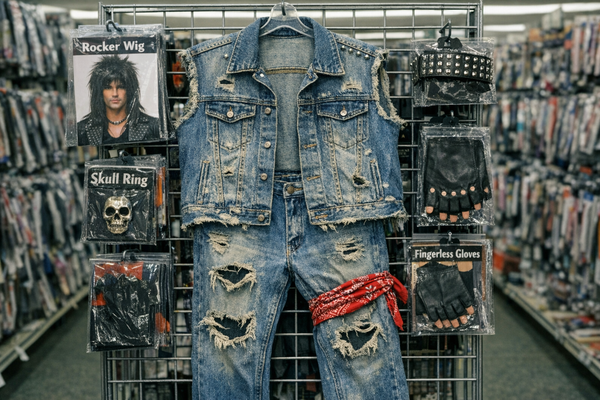
The 80s rock star costume everyone gets wrong
Building a real 80s rock star costume: ripped denim, cut sleeves, a bandana at the knee, and the one detail that proves you lived it.

Building a real 80s rock star costume: ripped denim, cut sleeves, a bandana at the knee, and the one detail that proves you lived it.
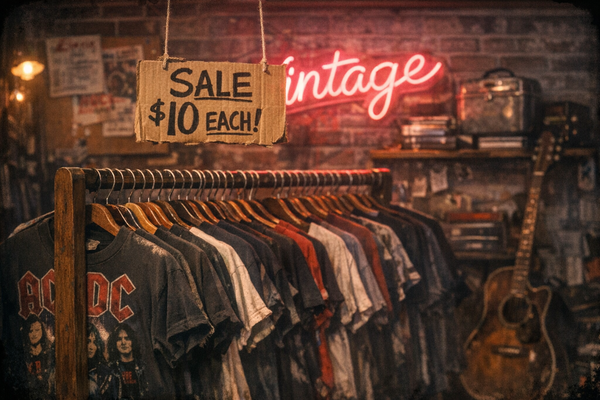
A flea market guide to real vintage band shirts: single stitch hems, era-correct tags, honest print cracks, and the 2005 reprints built to fool you.
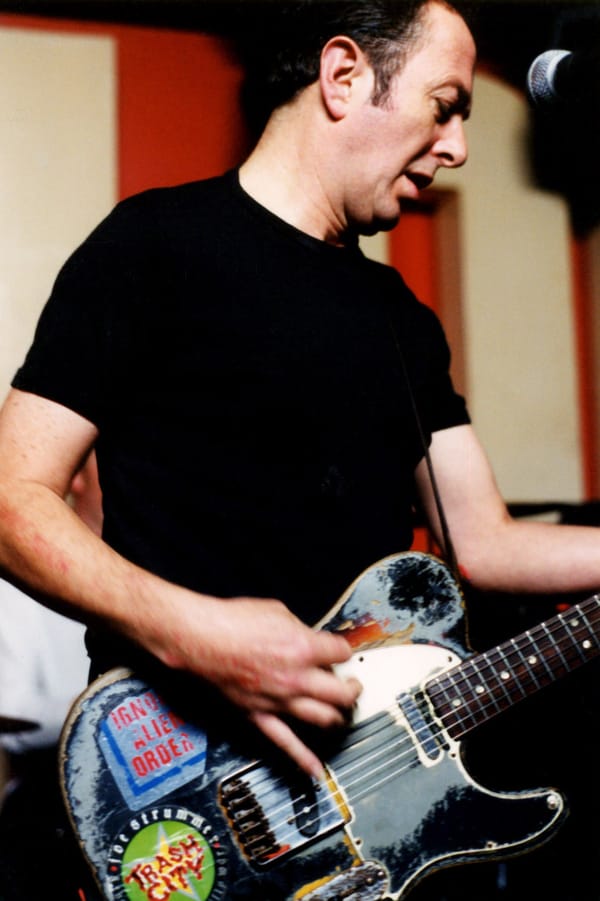
The Clash’s London Calling is the desert island double LP, four sides deep, priced and sold as one record. Here’s the case, and the pressing details collectors argue over.

Trading mixtapes on the school bus ran on trust, not rules. Somebody always had the good collection, and you paid for access.
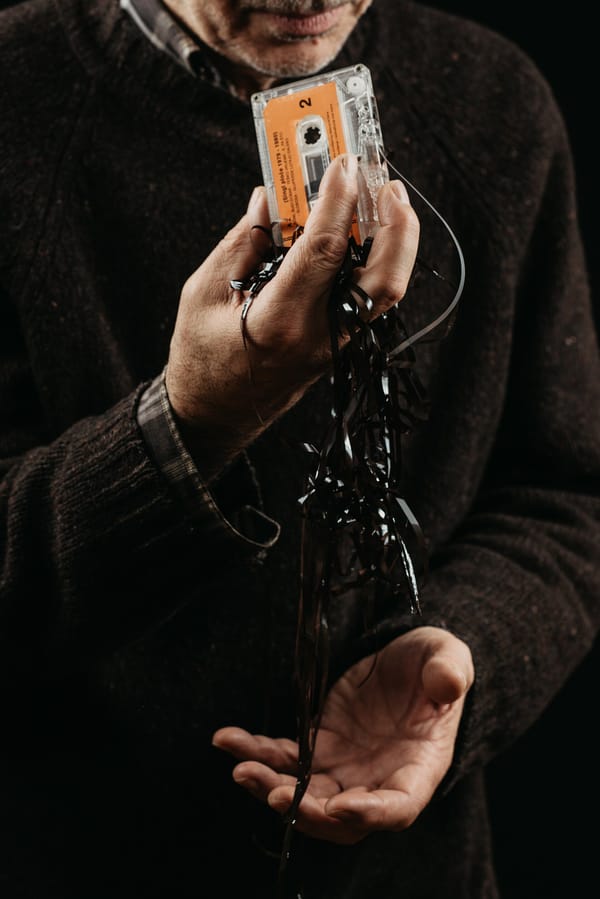
A deck ate your cassette and left a loop of ribbon hanging out. Here is the pencil-and-patience rescue, and when to let it go.
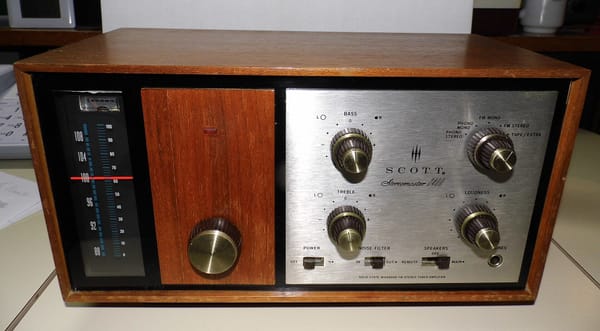
The loudness button boosted bass and treble at low volume because your ears miss both when it's quiet. Here's when it still matters.
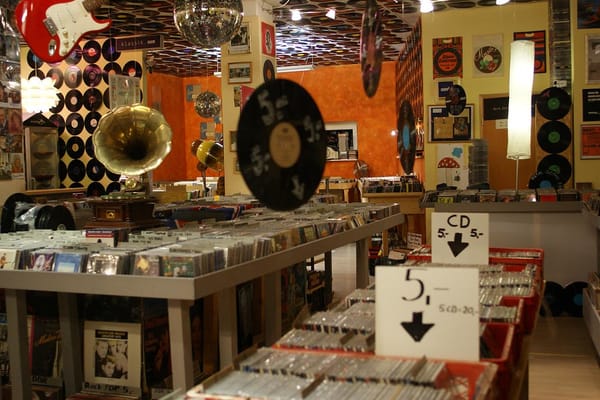
Not what you bought, but the twenty minutes before it: the aisle, the math in your head, and the walk to the counter.
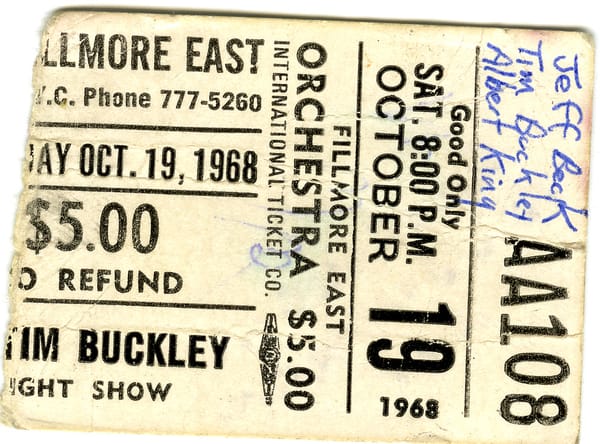
Folding chairs outside the ticket outlet, a payphone as your only clock, and the Bic pen number on your forearm that decided your luck.

Springsteen's Nebraska (1982), recorded alone on a Teac 144 cassette four-track, is the one album I would never trade for the full-band version.

This Is Spinal Tap isn’t one band’s story. It’s built from a hundred real tour disasters, which is why road musicians can’t laugh at it clean.
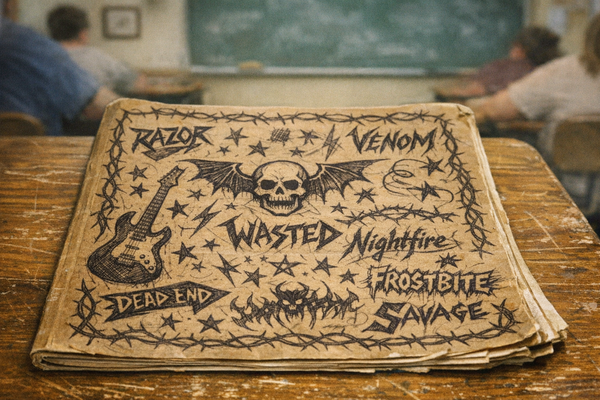
The brown paper book cover and the rubber toe of your Chucks were the real canvas, long before anyone said battle jacket.
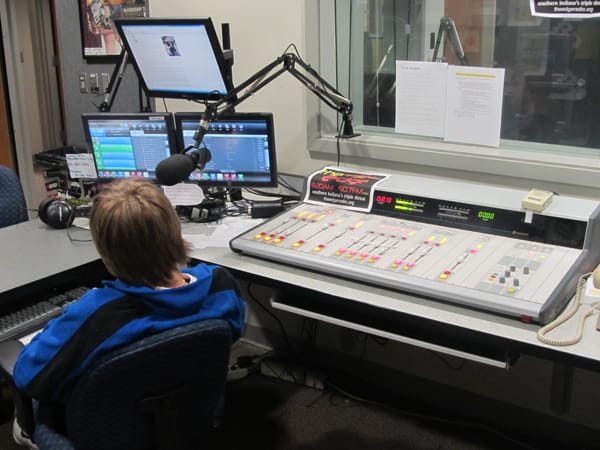
The FCC walled off the bottom of the FM band for noncommercial stations, which is why your college station sat way left of the dial.