Why college radio lives at 88 to 92 on the FM dial
The FCC walled off the bottom of the FM band for noncommercial stations, which is why your college station sat way left of the dial.
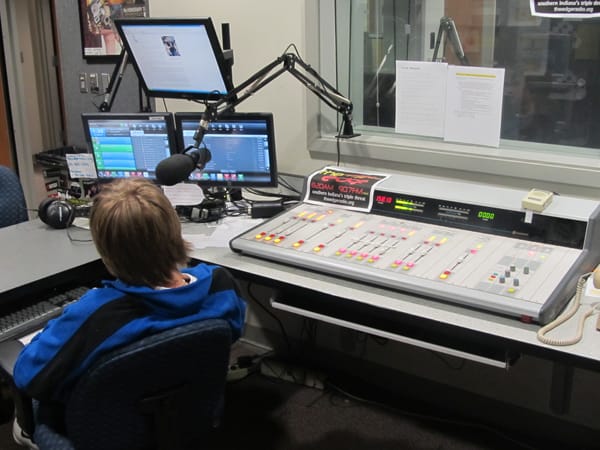
You know the motion. Tuner knob cranked almost all the way counterclockwise, past the classic rock station, past the top 40 giant with the call letters you could recite in your sleep, into the part of the dial where the signal got thin and the DJ sounded like he was reading liner notes out loud for the first time. That's where your college station lived. There's a reason it was stuck out there and it has nothing to do with taste.
The FCC reserved 88.1 to 91.9 MHz specifically for noncommercial, educational broadcasters . Commercial stations, the ones selling ad time for car dealerships and regional pizza chains, got shoved to 92.1 and up. It wasn't a style choice. It was federal real estate zoning for radio, decided decades before anyone's college station existed.
That bottom slice of the band is exactly where your campus station, your community freeform outlet, your NPR affiliate all ended up stacked next to each other. Low power, often just a few hundred watts, which is why the signal faded to static two exits before you got home from a show. You'd lose the song mid-chorus, catch a blast of a Christian station bleeding through on the same frequency, and have to wait until you were back in range to find out what you'd missed.
The low end of the dial wasn't an accident of physics either, it was policy with intent. Noncommercial educational stations needed protection from getting outbid and overpowered by commercial operators chasing ad dollars, so the FCC drew a line at 91.9 and said: this part stays reserved, nobody buys their way in. That's the whole reason a station with a transmitter in a dorm basement could sit on the same band as a 50,000-watt commercial giant and not get steamrolled out of existence.
It also meant you had to actually hunt for it. Nobody handed you the college station preset on a car stereo scan button the way you got it for the classic rock giant. You learned the exact number, 89.7 or 90.3 or whatever your town's signal was, the way you learned a locker combination. Somebody's older brother knew it already and that's how you found out it existed in the first place.
What played there didn't have to clear the hook test that decided commercial playlists. No program director timing the intro, no research call-out testing whether a chorus stuck. A student with a crate of promo vinyl could play the seven-minute version, the import B-side, the band that wouldn't get a commercial add for another two years. That gap between 88 and 92 wasn't just dial space. It was the only patch of FM where the rules of commercial radio didn't apply, and that's exactly why it mattered.
Did your town's college station have a signal you had to chase, or did it come in clean the whole way home?