The school bus tape swap and the one guy who had everything
Trading mixtapes on the school bus ran on trust, not rules. Somebody always had the good collection, and you paid for access.
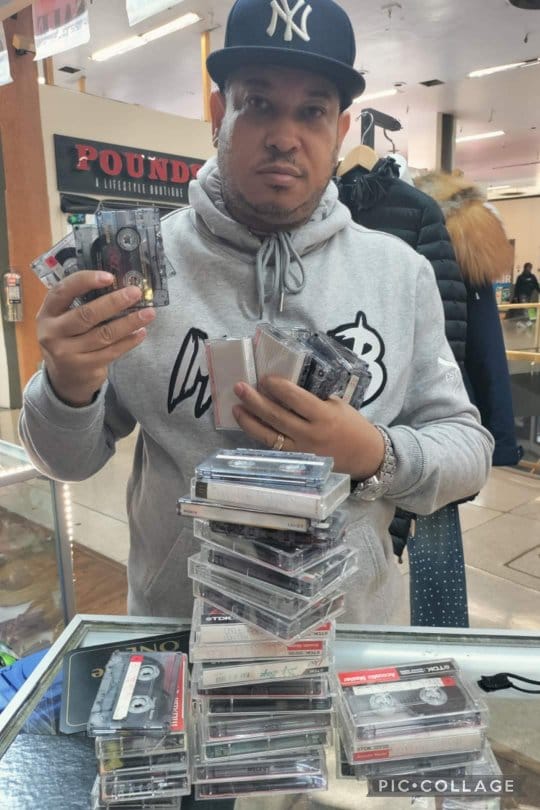
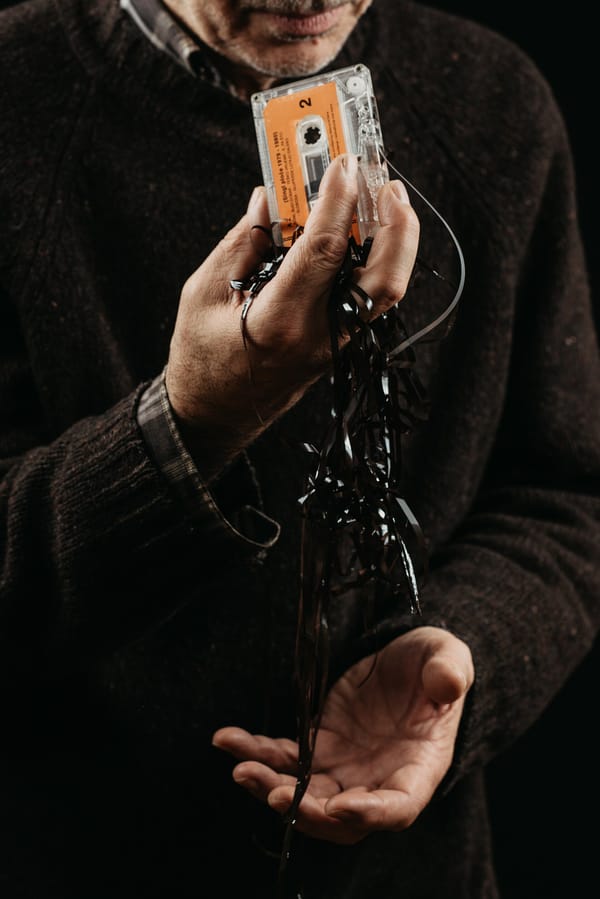
Two seats back, tape in a sandwich bag because the case cracked months ago, passed forward like contraband. No note, no label, just a Bic-pen scrawl on the shell: side A, side B, maybe a smiley face if the dub came out clean. You already knew the rule without anyone saying it out loud.
Get it back by Friday. Rewind it all the way. Do not, under any circumstances, let your little brother near it.
Every bus had a guy with the collection. Not the biggest collection necessarily, but the right one, the one with the import bonus tracks and the radio rip that cut off the DJ half a second too late. He sat near the back for leverage and he knew exactly what he had. You didn’t just ask to borrow from him. You negotiated.
The currency varied by route.Sometimes it was a blank tape, a real TDK D90 , not the drugstore off-brand that hissed like a leaking tire. Sometimes it was your own tape offered in trade, which only worked if yours was good enough to be worth his time. Sometimes it was just being cool about it last time, which is a currency that runs out fast if you’re not careful with it.
The worst kid on the bus was the one who kept a tape for a month. You know the one. Every day you’d ask, casual at first, then less casual, and every day he’d say tomorrow, forgot it, left it in my other backpack. Eventually you wrote the tape off the way you write off a loan to a friend who’s bad with money. Some of those tapes are presumably still out there, in a box in somebody’s parents’ garage, forty minutes of your Walkman-era adolescence held hostage by a guy who’s now, statistically, a dentist.
The dubbing itself happened after school, deck to deck, two tape doors clicking open within a minute of each other, that particular hush while the heads line up and the levels get set by ear because nobody owned a meter that worked right. You pressed record and play at the same time if your deck demanded it, and you sat there the whole way through because stopping early to flip the tape and coming back late meant losing eleven seconds of a song you’d have to beg somebody else for later.
Hiss was the tax you paid. A fourth-generation dub, the kind that had been copied from a copy from a copy, sounded like it was playing from underwater with a fly buzzing somewhere behind the vocals, and you listened anyway because the alternative was not listening at all. You didn’t know yet that your own first record bought with your own money would eventually make that bus dub sound even worse by comparison. For a while it didn’t matter. It was the song, however degraded, and it was yours for the length of the ride.
The social order of the bus ran on this stuff in ways that had nothing to do with grades or sports. The kid with the good collection had status that teachers never clocked and parents never understood. He could make or break your week with a cassette the size of a deck of cards, and you learned early that being on his good side was worth more than almost anything else available to a twelve-year-old with no money and no car.
Nobody wrote this down anywhere. There was no manual for tape etiquette, no posted fee schedule, just a system that every kid on every route in the country ran on instinct, the same unspoken rules enforced the same way: rewind it, return it, don’t be the guy who keeps it a month.
Who was yours? The kid two seats back, the older sister’s boombox, the cousin who worked at the record store and brought cassingles nobody else had yet. Tell us what you traded to get a listen.