The number on your arm: waiting overnight for tickets
Folding chairs outside the ticket outlet, a payphone as your only clock, and the Bic pen number on your forearm that decided your luck.
Somebody's older brother always had the folding chair. The aluminum kind with the woven nylon straps, already cold by midnight, carried three blocks from somebody's garage because the line started forming outside the record store or the mall box office hours before the doors would ever open. You brought a blanket. You did not bring a plan for what happens at 3 a.m. when you have to pee and losing your spot means losing your seats.
The number went on your arm in ballpoint, sometimes Bic blue, sometimes a Sharpie if somebody's brother was organized about it. Not a ticket, not a wristband, just a number some self-appointed line marshal assigned so the group that showed up at 11 p.m. couldn't claim they'd been there since nine. You guarded that number like it had cash value, because for the next several hours, it did.
The payphone on the corner was the only clock that mattered. Not because anyone needed to call home (though somebody always did, and got yelled at for it), but because it was the thing you checked against, the landmark you paced back to. Quarters lined up on the little metal shelf under the coin slot. Somebody's girlfriend crying into the receiver about a curfew that had already been blown past an hour ago.
Nobody had a phone that told time in their pocket. You had the gas station clock across the street, you had the payphone, you had whoever's dad had a digital watch with the green glow button, and you had the slow arithmetic of the sky going from black to that flat gray that meant the box office guy would show up soon to unlock the doors and pretend he wasn't being screamed at by three hundred people who'd been awake since the day before.
Row 30 on the floor ran somewhere around plus whatever Ticketmaster decided to call a convenience charge that week, a number that felt invented on the spot because it kind of was. You paid it anyway. You paid it in ones and change you'd been saving since the on-sale date got announced on the radio, the DJ reading off the date like it was a holiday.
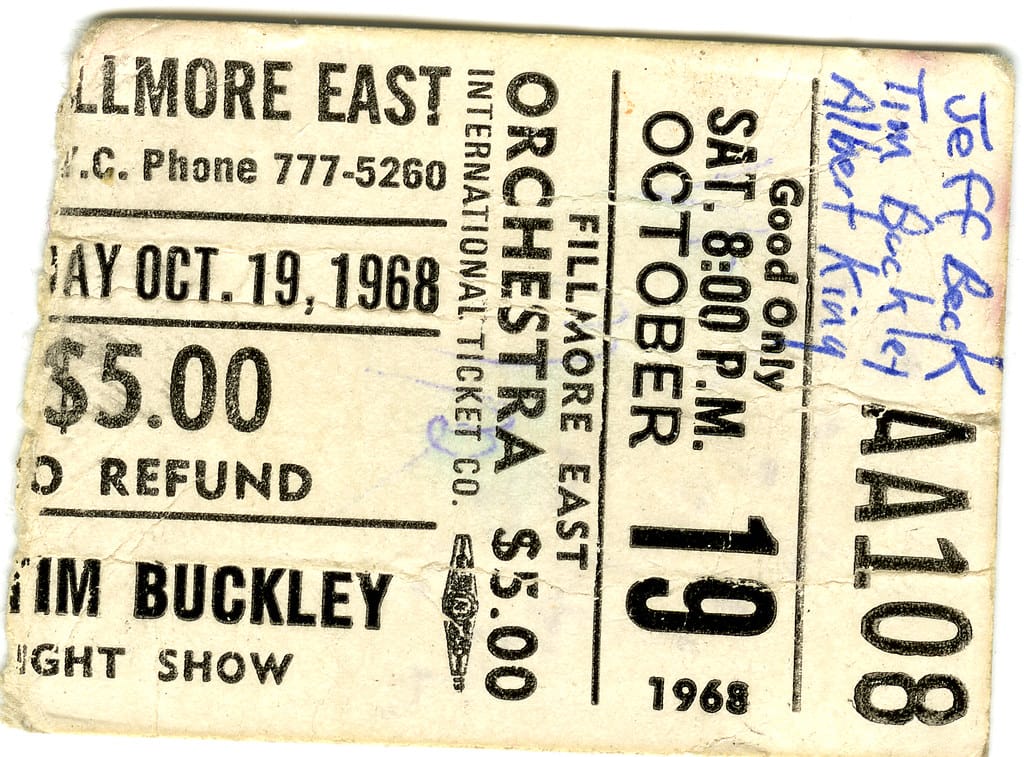
The math never made sense and nobody did the math. Twenty dollars and change for a seat you'd spend half the night straining to see past somebody's head, for a show you'd remember in fragments: the lighter flames during the encore before anyone called them something else, the bass you felt in your sternum before you heard it, the parking lot after where everyone compared ticket stubs like trading cards. We've gone over why that first show was never really about the band, and the overnight line is half the reason why. You'd earned the seat before the band ever tuned up.
The sting part nobody puts in the highlight reel: sometimes the line didn't work. Sometimes the show sold out while you were still four hundred people back, and the guy at the window just shook his head and the whole crowd made a sound like air leaving a tire. Sometimes your number on your arm meant nothing because a hundred people without numbers pushed in from the side when the doors opened and nobody with authority cared enough to stop it. You went home at 9 a.m. with a wrecked back, no ticket, and homework you hadn't started.
But when it worked, it worked completely. You walked into that arena already a veteran of the thing, pre-exhausted, a little proud, carrying a story that started hours before the opening act even existed for you. The folding chair went back in somebody's trunk. The number washed off in the shower eventually, a faint blue ghost on your wrist for another day or two, outlasting the receipt, nearly outlasting the memory of the cold concrete you sat on to earn it.
Did your town have a payphone everybody used as the line clock, or did you have some other landmark that told you how close you were to getting inside?