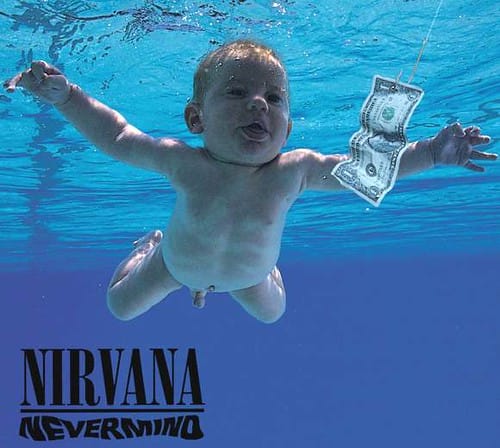
September 24, 1991: the day nobody knew what they had
Nevermind hit store bins on Sept 24, 1991 with zero fanfare, $8.99 sticker, no line out the door, before it ate the world.

Nevermind hit store bins on Sept 24, 1991 with zero fanfare, $8.99 sticker, no line out the door, before it ate the world.
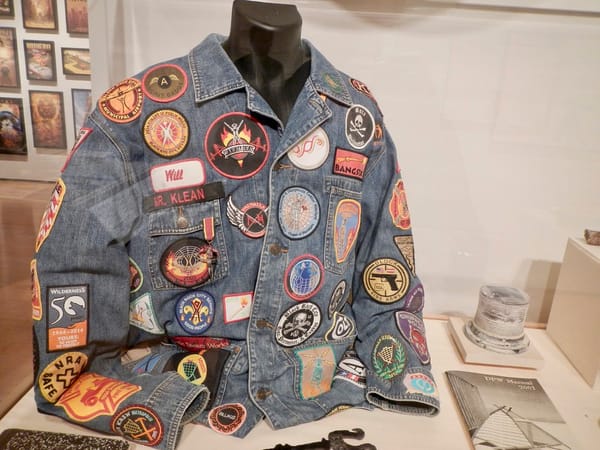
A Levi's trucker with a Venom patch half-buried under Youth of Today explains why real battle jackets always looked a little wrong.

Seventeen minutes, no plan, one rented camera outside the Capital Centre in 1986. Why the bootleg VHS version was always the right one.
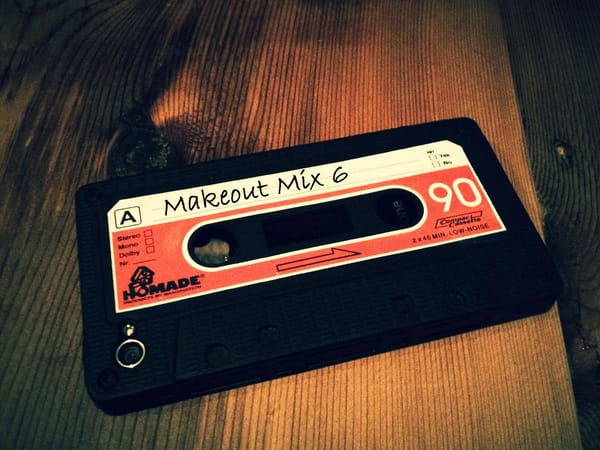
Track one was never their favorite song. How to read the running order of a mixtape someone made for you, starting with the handshake opener.
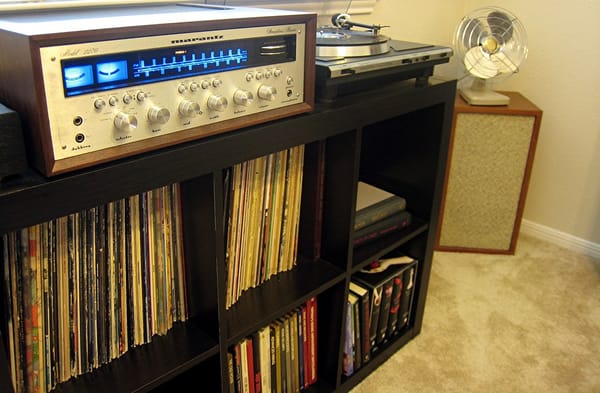
Murmur never asks you to understand it, only to sit inside it. The production choice that makes it R.E.M.'s desert island record.
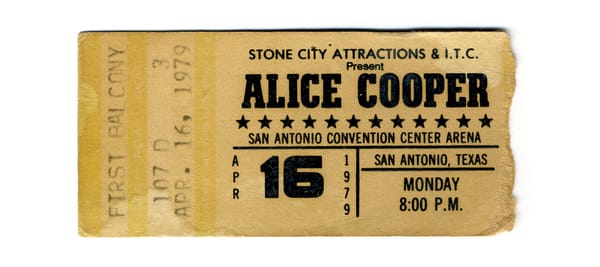
Why a torn 1983 Aragon stub beats a mint one: the tear, stamp, and fold are proof you were actually there.
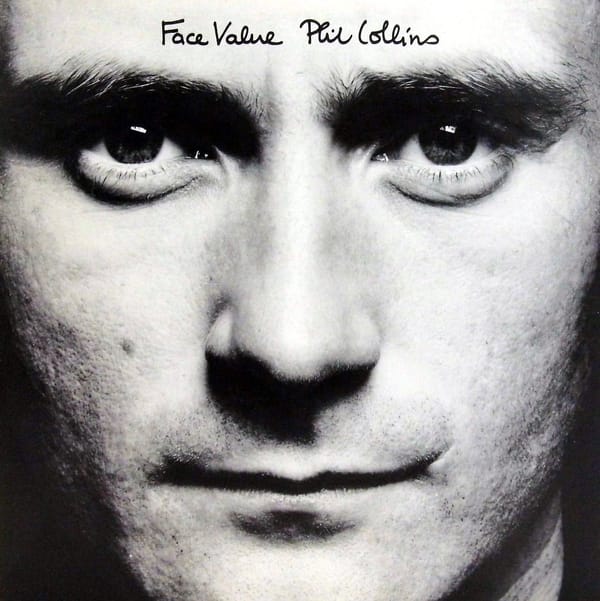
The gated reverb on that famous drum fill wasn't designed, it was a talkback mic mistake at Townhouse a year before Collins showed up.
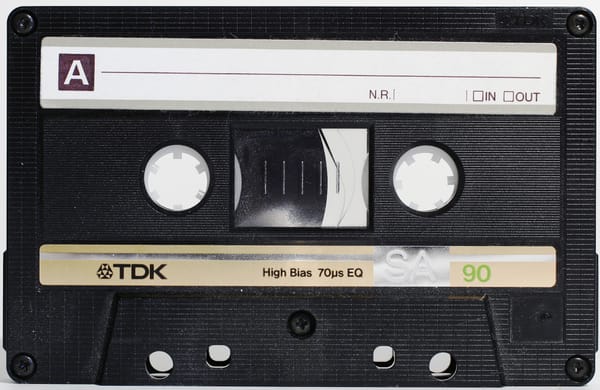
You did track-time addition on the album sleeve so side one wouldn't chop your favorite song's chorus off at the ninety-minute mark.
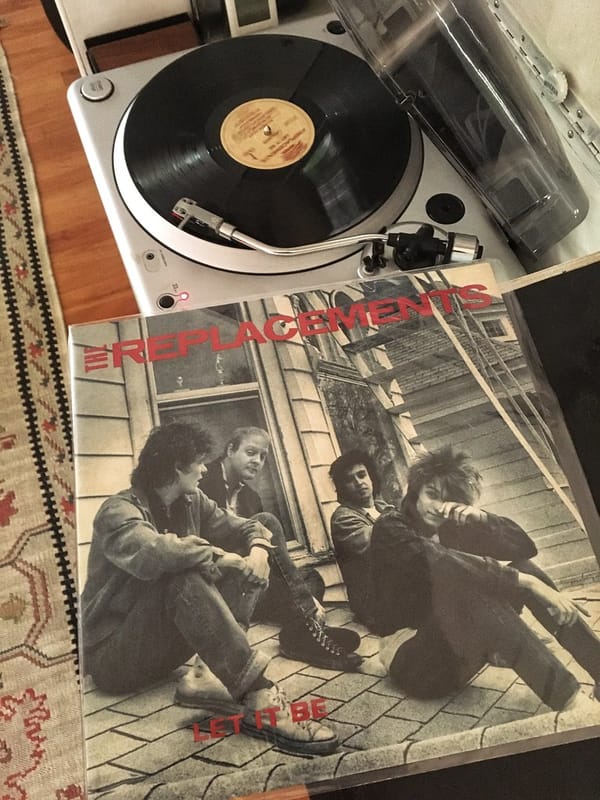
The Replacements' Let It Be, 1984: the one record from the era that never makes you choose between the joke and the wound. A desert island pick.

Byrne walks out alone with a boombox and Psycho Killer, then the band assembles onstage song by song, Demme's camera watching it happen.
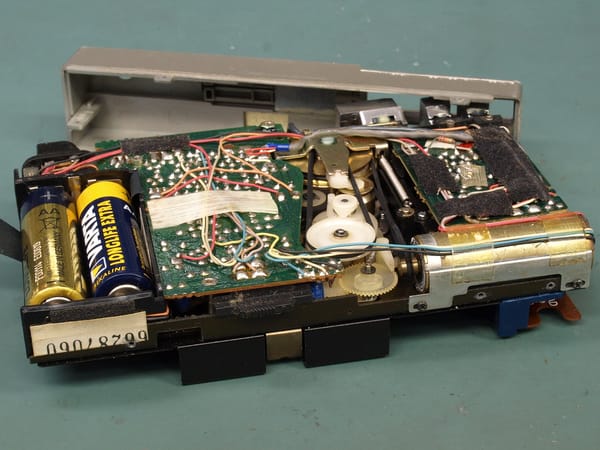
The TPS-L2 had two headphone jacks for sharing tapes, nobody used the second one, and Sony quietly killed it by 1981.
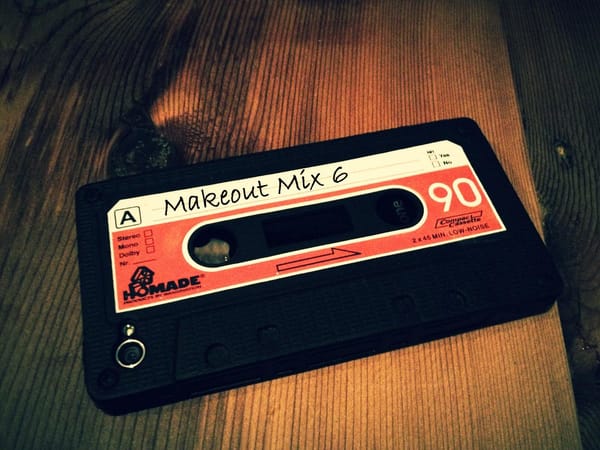
The Brother P-Touch PT-65 turned mixtape labels into a social code, and your handwriting or your printer said which kind of effort you meant.