How to read a mixtape someone made for you
Track one was never their favorite song. How to read the running order of a mixtape someone made for you, starting with the handshake opener.
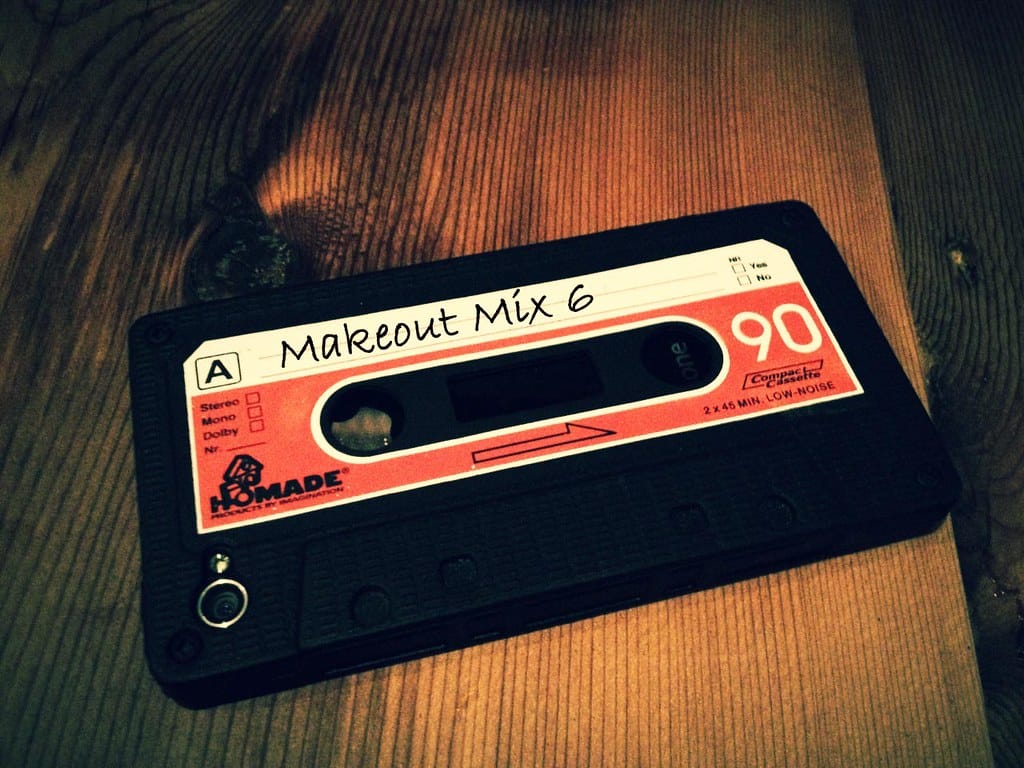
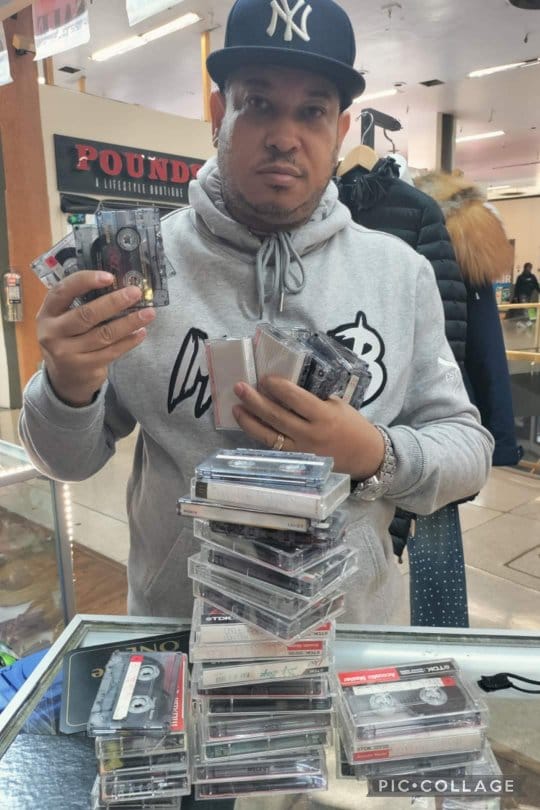
The blank tape sat on the desk for two days before anyone touched record. A TDK SA90, maybe a Maxell XLII if somebody's older sibling had money, label untouched, because writing on it meant committing to a running order you'd already rewritten four times in your head.
Track one was never your favorite song. That was the first thing you learned, on either side of the exchange. The opener was a handshake, not a confession, something that said get in the car, this is safe before the tape earned the right to say anything harder. A jangly Replacements song, a Cure single with a chorus everybody already half knew, something that couldn't be misread as too much too soon.
The real message showed up at the end of side one. That slot mattered more than the first track and everybody who ever made one of these knew it without being told. Side one had a runtime, usually 22 or 23 minutes on a 45-minute tape, and you built toward that last song like it was the point of the whole exercise, because it was. That's where you put the song that said the thing you couldn't say out loud in the hallway between classes. Then you flipped the tape and started side two with something deliberately lighter, so the person on the other end wouldn't think you'd lost your mind.
Just as telling as what made the tape was what got left off. You'd cue up a song, sit with your finger over pause, and pull it at the last second because it said too much, too plainly, too early. Anything overtly about wanting somebody got cut on the first pass. The whole art form ran on implication. A tape that said everything directly wasn't romantic, it was a liability, and everyone who ever made one instinctively understood the difference between a confession and an ambush.
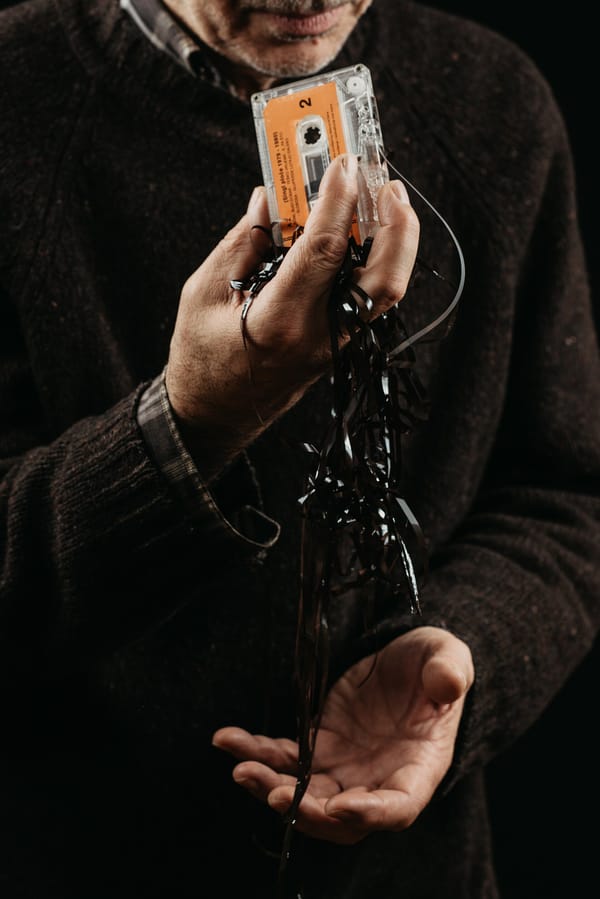
Reading one back was its own skill, and you got good at it fast because you had to. You listened for the edits: a clean cut meant they dubbed it off another tape or a CD, careful and planned. A little burst of DJ chatter at the front of a song meant they caught it off the radio, finger on pause, which told you something too, that they didn't have the record, that this was assembled from whatever was in reach rather than a collection. Neither one was worse. They were different confessions.
You checked the handwriting on the label before you even hit play, because the handwriting told you how much time got spent. Rushed block letters meant nerves. Careful, small print with the times of each track lined up meant somebody sat at a desk with a pen for longer than they'd ever admit. You checked whether they numbered the songs or just let them run. You noticed if side two was shorter than side one, because that gap was never accidental, it meant they ran out of songs that fit the mood and refused to pad it with filler.
Then there was the tape that came back the other way, which is a different animal from the one you sent. You'd press play half expecting a direct answer, song for song, and it almost never worked like that. Sometimes it opened with the same artist you'd used, which was its own kind of answer, a wink instead of a sentence. Sometimes it ignored your whole approach and built something entirely different, which could mean they didn't get it or mean they got it completely and were saying so in their own language. Either way you sat with the liner notes, such as they were, a folded scrap of paper or nothing at all, and you played that tape more times trying to decode it than you ever admitted to anyone.
The whole format worked because a cassette can't be skimmed. You can't scroll to the good part. You sit there for the full 45 minutes, side one then a flip then side two, and somewhere in that forced patience the actual message gets through whether you meant it to or not. That's the part streaming never figured out how to fake.
Did you keep yours, and did you ever actually tell them what side one, track six, was supposed to mean?