The noise gate accident that built the 80s drum sound
The gated reverb on that famous drum fill wasn't designed, it was a talkback mic mistake at Townhouse a year before Collins showed up.
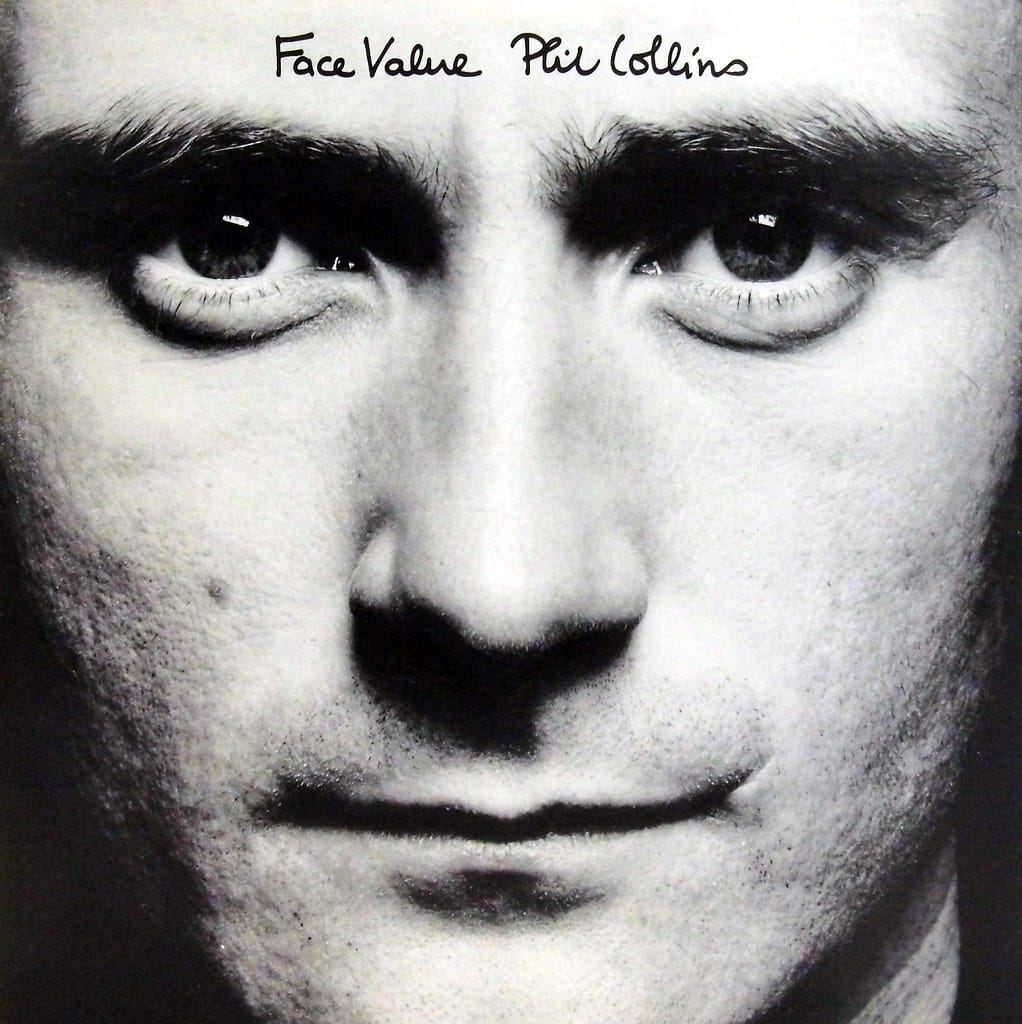
The drum sound on In the Air Tonight did not come from a drum booth built for Phil Collins. It came from an engineer testing a talkback mic on somebody else's session, a full year before Collins ever walked into the room.
To understand why that matters, you need to know what a noise gate actually does. It's not an effect, it's a bouncer. Feed it a signal and set a threshold, and anything below that threshold gets muted instantly, anything above it passes through untouched. Engineers use gates to kill hum, hiss, bleed from other mics, the quiet stuff nobody wants. Nobody built a gate to make drums sound bigger. That part was luck.
The room is the other half of the story.Townhouse Studios in London had a live room in Studio Two nicknamed the Stone Room , hard-surfaced walls designed to throw sound back at itself instead of absorbing it.Engineer Hugh Padgham was working there on Peter Gabriel's third self-titled album and had a talkback microphone rigged in that room, feeding a compressor with a gate stage on the front end.
He wasn't trying to record drums with it. He was checking levels. But when the drums played and the talkback mic picked up the room slamming that sound back, the gate cut the tail off dead instead of letting it decay naturally. Instead of a room reverb that trails off the way rooms actually behave, you get a wall of ambience that stops like someone slammed a door on it.Padgham and Gabriel liked it enough to use it on the track “Intruder” , with Collins himself on drums that session, months before Face Value existed.
Collins remembered the sound. When he cut In the Air Tonight for his solo debut in 1981, he brought Padgham in and asked for it again, this time built around the drum fill instead of buried under a vocal. That fill, the one everyone waits for, is the gate doing exactly what it did in the Gabriel session: massive room ambience, chopped off at the knees instead of fading out.
Once the record hit, every engineer in London wanted the trick. Steve Lillywhite used a version of it on U2's War, and Padgham himself carried it straight into Genesis records through the early 80s. Gabriel kept using it on his own solo work too. By 1984 it wasn't a studio accident anymore, it was a preset, a request, a whole decade's drums built out of a mistake nobody wrote down as a technique.
Put the needle on any drum-heavy record from 1982 to 1986 and you can hear engineers reaching for a version of that same slam, some subtler than others, some laughably huge. The gate doesn't care what it's cutting off. It just cuts. Padgham happened to be listening when it cut something worth keeping.
Next time the fill drops on that Phil Collins track, listen for the room, not just the snare. What else got the gate treatment that you never clocked as the same trick?