Desert island album: Fleetwood Mac's Tusk, not Rumours
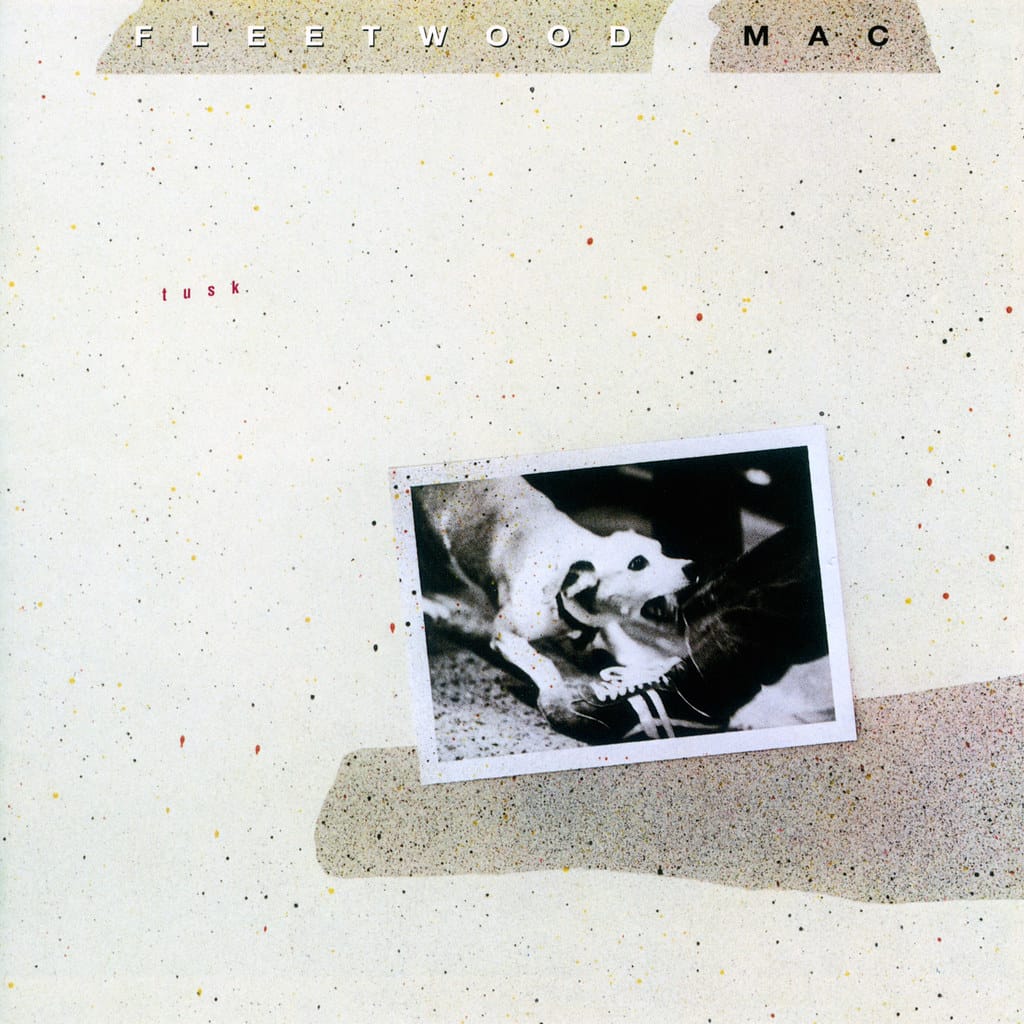
The pick is Tusk, the 1979 double LP Fleetwood Mac made instead of Rumours 2. The case is simple: Rumours is a flawless record you eventually stop needing, and Tusk is a strange, uneven, deeply human one you never fully use up.
You know the story even if you weren't around for the trades.Rumours had sold something like 19 million copies worldwide , and Warner Bros wanted the sequel. Lindsey Buckingham, fresh off a diet of Talking Heads and The B-52's and a home four-track he'd been fighting with in his own house, handed them twenty songs that sound like three different bands arguing through a wall.Reported budget north of a million dollars , most of it burned in Studio D at the Village Recorder, where they built a replica of Buckingham's living room to chase a snare sound. That's not a band chasing a hit. That's a band chasing a feeling, on someone else's dime.
What actually holds up on the five-hundredth listen is the sequencing, which nobody gives enough credit for. Side one opens with Over & Over, a Christine McVie ballad so calm it's almost a dare, then swerves into The Ledge, ninety seconds of Buckingham slamming a drum box against a chord progression that refuses to resolve. Sara drifts in at nearly six and a half minutes, Stevie Nicks at her most unhurried, and it sits two tracks from Not That Funny, which sounds like it's being performed by a band that just knocked over its own amp stack.Whoever sequenced this record - and by most accounts that's Buckingham with Ken Caillat and Richard Dashut in the booth - understood that whiplash is a mood, not a mistake.
The title track is the one that earns its place slowly. On first listen it's a novelty: the USC Trojan Marching Band, a chant, Mick Fleetwood's bass drum mic'd up like a cannon.By year three on the island it's the whole album's thesis in three minutes - a pop band hiring 112 horn players to sabotage their own single.It hit number 8 on the Billboard Hot 100 anyway, which tells you the audience wasn't as scared of the record as the label was.
Rumours never asks anything of you. Every song is a hook you already know how to feel; that's the genius of it and also the ceiling. Tusk asks you to sit with Buckingham's paranoid home-recorded fragments right next to Nicks doing her most widescreen balladry and McVie doing the sanest pop songwriting of anyone's career, and to accept that none of them are going to meet in the middle for your comfort. A desert island punishes anything with a ceiling. You will hit the ceiling on Rumours by the second winter. Tusk doesn't have one, because it was never built for consensus in the first place.
Get an original 1979 Warner Bros pressing if you can find one - gatefold, two records, the kind of sleeve that still smells like a basement when you crack the seal on a sealed copy.The 2015 remaster reissue cleans up some of the low end that got muddy in the original cut, worth having as a second copy, but the original pressing is the one that sounds like 1979 actually felt: a little harsh, a little too loud in places, unwilling to apologize for it.
It was called a flop because it didn't do Rumours numbers, which is like calling a house a failure because it isn't also a stadium. Sales figures fade. The record that still surprises you on listen five hundred does not.
What's yours?