High-speed dubbing and the tape it wrecked in four minutes
The high speed dubbing button on your boombox saved lunch periods and wrecked cymbals. Here is why every fast copy sounded like a sock.
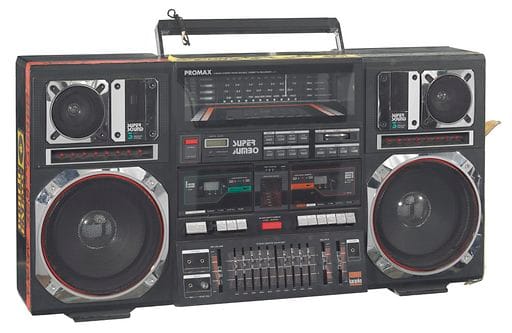
Every dual-cassette boombox had the same trap built into it: a button labeled high speed dubbing sitting right next to the one that did it properly. Somebody always reached for the fast one first. Four minutes to copy an entire album side felt like a magic trick compared to sitting through the whole thing in real time.
Here is what that button actually did. Normal dubbing ran both decks at the standard 1 7/8 inches per second, the same speed the tape was recorded at, the same speed your ears were calibrated to.High speed dubbing cranked the transport up to roughly double that, pushing the blank tape through the record head at nearly 3 3/4 ips .
The record head and its bias circuit were tuned for one speed. Run the tape twice as fast and you are asking a fixed-bandwidth head to capture the same frequency range in half the time, which it cannot do cleanly. High end gets smeared first — cymbals lose their shimmer, sibilants turn papery, and the top of the mix starts to sound like it is playing through a sock.
Bias and equalization made it worse.Consumer decks used a fixed bias current calibrated for normal-speed dubbing, and running the tape at double speed shifted the effective bias point without any compensating adjustment in most budget boomboxes . The result was a dub with audibly increased distortion and a narrower dynamic range than a normal-speed copy off the identical source tape.
Wow and flutter went up too. Faster transport speed meant more mechanical stress on cheap capstan motors and idler wheels, and a boombox that already had middling speed stability at normal dubbing got noticeably worse at double time. You could hear it as a faint warble under sustained notes, more pronounced on a bass line or a held vocal than on something busy like a drum fill that masked it.
None of this stopped anyone from using it. If you needed a friend’s copy of Appetite for Destruction before school Monday and only had one lunch period to make it happen, high speed was the only option on the table. The purists in every friend group — and there was always one — refused on principle, insisting normal speed or nothing, even if it meant tying up both decks for forty-five minutes while everyone else wanted to record over the dead air.
You could usually tell a high-speed dub without even checking the label. Play it against the original and the difference sits right in the top end — a slight veil over the hi-hats, a flatness to anything with reverb tails. It was not ruinous. It was audible enough that anyone who cared, cared a lot.
The tape itself paid a price too.Higher transport speed meant more tape passing over the heads per minute of program material, which meant more wear on both the master tape being copied and the heads doing the copying . Dub a tape at high speed enough times from the same worn cassette and you start hearing dropouts that were not there on the first-generation copy.
There was a social layer to all this that had nothing to do with fidelity. Choosing normal speed said you respected the music enough to wait for it. Choosing high speed said you had somewhere to be. Both were legitimate positions, and both sides knew exactly which one they were.
Which side were you on — did you wait out the full runtime for a clean copy, or did you always hit the fast button and deal with the sock-over-the-speaker treble later?